

As survivors ourselves, we know how hard this kind of loss is.
You don’t have to decide anything.
You’re welcome to just ask.
What we’re asking
A conversation, on your terms.
If you choose, a loan of your loved one’s phone, tablet or computer.
We copy what’s on it, then mail it back to you.
Tell us how to reach you.
Kim will reach out to you herself. Sending this doesn’t commit you to anything.
Rather pick a time yourself? Schedule a call with Kim
Why a phone: Our phones hold how we cope and how we reach out.
Studied with care, they can help us understand suicide and protect someone else.

What you can count on
- No pressure, ever
- You can go as slowly as you need
- We’ll support you whether or not you say yes
- Personal details are removed
- Used only for approved research
- You can stop at any time
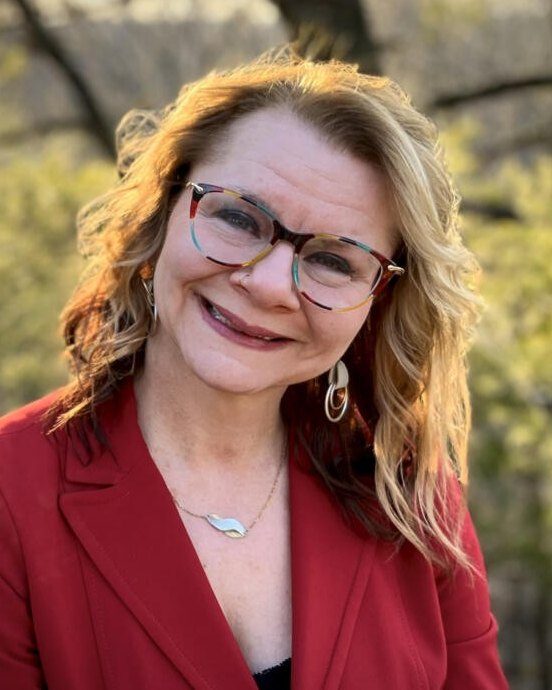
Who you’ll talk to: Kim Bartlett, MSW, family liaison.
After her younger brother Jon died by suicide, Kim dedicated her work to supporting others impacted by suicide. She has walked alongside hundreds of suicide-loss survivors, and she’ll answer your questions for as long as you like. There is no wrong question.
Schedule a call with KimSo far, 140+ families have taken part, and 250+ devices have been studied with our research partners.



Questions families ask
Is this only for military families?
No. Any family who has lost someone to suicide is welcome here, military or not.
What happens to the phone?
If you decide to take part, we’ll send you a prepaid shipping kit. Every shipment is tracked and signed for. While the phone is with us, it stays in a locked, secure lab. We make a copy of what’s on it, then mail it back to you, and Kim keeps in touch the whole time.
What do you do with what’s on the phone?
We make a secure copy. Before anyone studies it, we remove names and other personal details and replace them with codes. Then our team and trusted research partners look for patterns and warning signs that could help protect others. We aren’t able to share individual findings about your loved one.
What if I don’t have the passcode?
That’s okay. A passcode helps, but you don’t need one. Our forensics lab uses specialized software to unlock devices without it, though that can take longer. Once a phone is unlocked, it may no longer lock with a passcode, and Kim can talk with you about what that means.
How long is the loan?
It depends on the device. Some come back within a few weeks. Others take several months, because some devices can take up to 180 days to unlock. Kim will keep you updated along the way, and if you need it back sooner, just tell her. We’ll do our best.
Can I change my mind?
Yes, at any time, even after you’ve sent us the device. Just call or email Kim, and we’ll promptly send it back. You can also ask us to delete its data. We’ll make every effort, though anything already part of the research may not be fully removable.
Is there any cost?
No. We pay for everything: shipping, safe storage, and all of the work to copy and study the data.
Still have a question? Schedule a call with Kim